

Eggs are a staple in kitchens around the world, showing up in everything from a simple omelet to your favorite baked treats.
Since eggs are used so often, checking their freshness is important not just for taste, but for safety. Even with their hard shells, eggs can go bad, and the signs aren’t always easy to spot. Here’s a practical guide to help you tell if your eggs are still good.
Packing Date
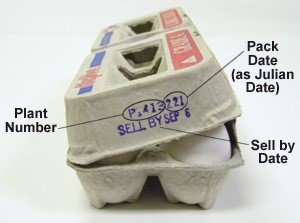
Don’t rely solely on the expiration date, check the packing date instead. Printed in Julian calendar format on the carton, it provides a more accurate measure of the eggs’ age.
When stored properly in the refrigerator, eggs are generally safe for four to five weeks after packing, though using them within three to five weeks of purchase ensures the best quality.
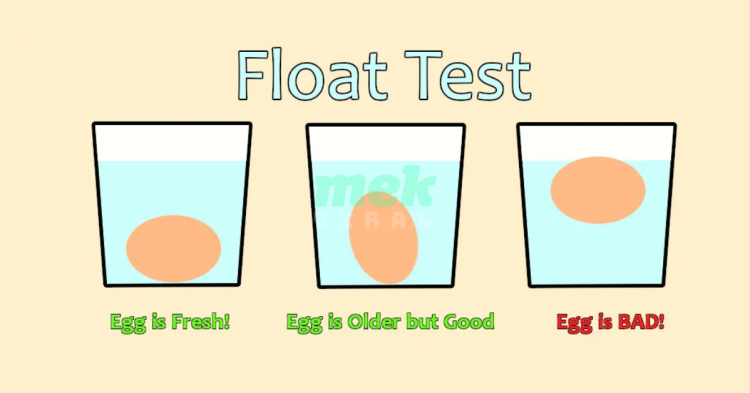
Eggs Float Test
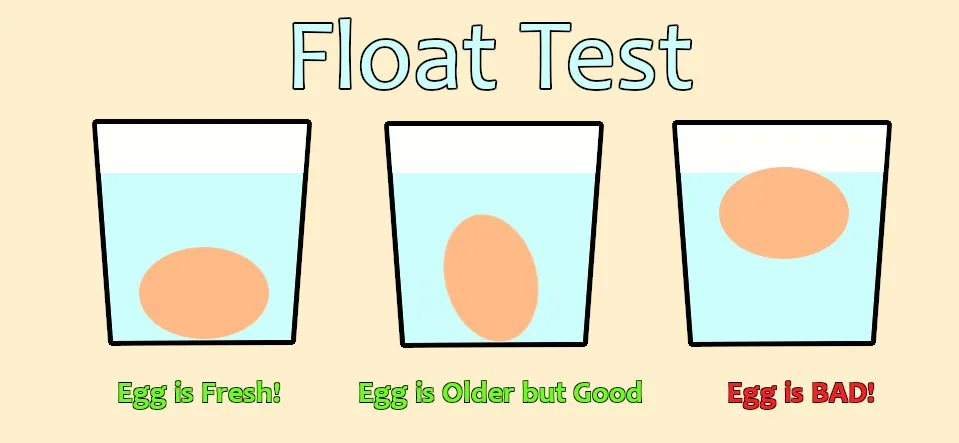
The egg float test is an easy, reliable method to see if your eggs are still fresh. Fill a bowl with cold water and gently place your egg in it.
- Sinks and lays flat: The egg is very fresh.
- Sinks but stands upright: The egg is still safe to eat but not at peak freshness—best for baking or cooking thoroughly.
- Floats to the top: The egg has gone bad and should be discarded.
This works because eggshells are porous, allowing air to gradually enter the egg over time. As the air pocket grows, the egg becomes more buoyant. The float test is a quick, practical way to avoid spoiled eggs and ensure food safety.
Using Your Senses to Check Eggs
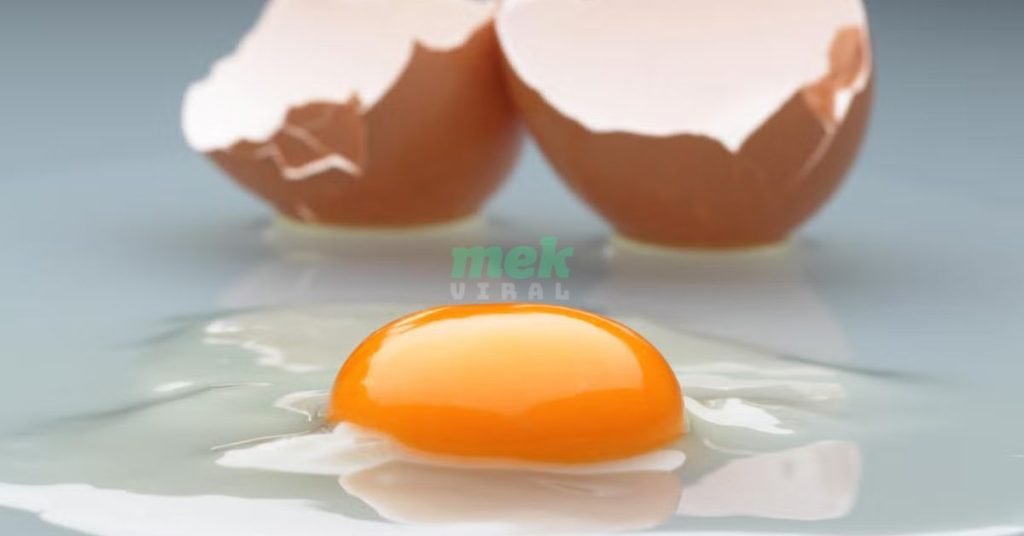
Smell: Fresh eggs have little to no odor. A strong sulfuric or rotten smell is a clear sign the egg has gone bad. To be safe, always crack the egg into a separate bowl first and check the smell before adding it to a recipe.
Sound and Feel: Gently shake the egg near your ear. A fresh egg will make little to no sound, while a sloshing noise indicates the contents have thinned with age—signaling the egg may no longer be good.
Appearance: Check the eggshell closely. Cracks can let bacteria in, raising the risk of contamination. Discoloration, unusual spots, or visible dirt are also warning signs. While not as definitive as the float test, these visual cues can help confirm whether an egg is safe to use.
Production Methods Matter
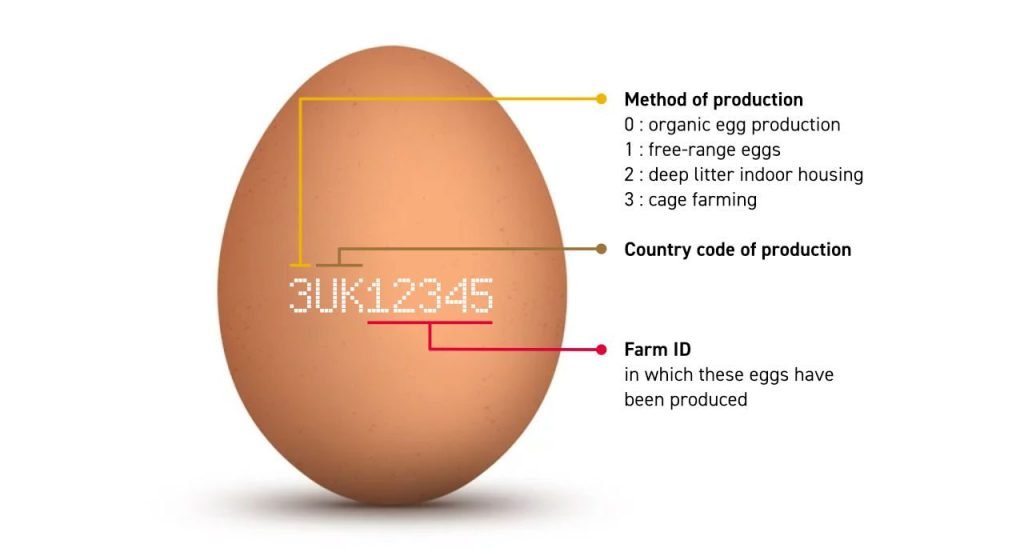
Egg Production and Quality: How eggs are produced can affect their quality and freshness. Free-range eggs, for example, come from hens with outdoor access, allowing for more natural behaviors.
Many experts suggest that lower stress and better living conditions can improve egg quality. Understanding labels like free-range, cage-free, or pasture-raised helps you make informed choices at the store.
Prevent Kitchen Mishaps
Maintaining Egg Freshness: Keeping eggs fresh safeguards both your meals and your health. Using a combination of methods, checking the packing date, performing the float test, inspecting the shell, and trusting your sense of smell, offers the most reliable way to assess freshness.
Being aware of production practices adds an extra layer of informed decision-making when buying eggs.
By following these simple steps, you can ensure your eggs are fresh, enjoy them at their best, and avoid the hassle and health risks, of using spoiled ingredients.
Eggs are a versatile and essential ingredient in kitchens everywhere, but ensuring they’re fresh is key for both taste and safety. By combining practical methods checking the packing date, performing the float test, inspecting appearance, and trusting your senses, you can confidently select and use eggs at their best. Being mindful of production practices further helps you make informed choices, keeping your meals delicious and your kitchen safe.