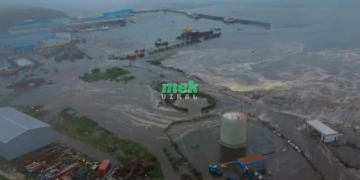


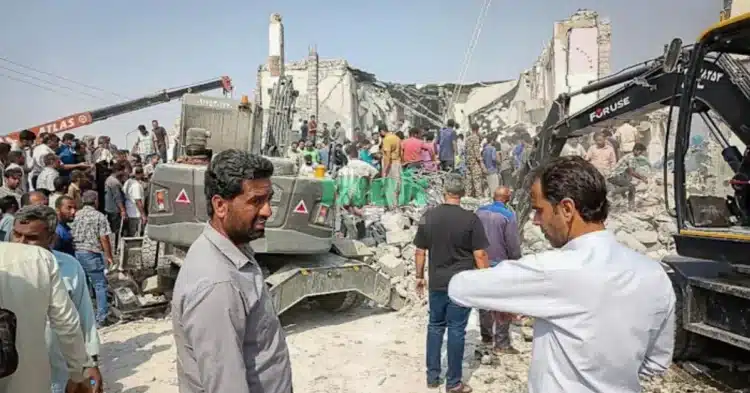
The reported strike on a girls’ school in the southern Iranian city of Minab has quickly become one of the most heartbreaking stories to emerge from the escalating tensions between Iran, Israel, and the United States.
News of the deadly attack has left people around the world stunned, raising painful questions about civilian safety and the vulnerability of children in times of war.
For many, this tragedy is more than just another headline, it’s a sobering reminder of the human cost of regional conflict. On MekVIRAL, we take a closer look at the unfolding situation, the international reaction, and the growing concerns about protecting innocent lives caught in the crossfire.
On February 28, 2026, Iranian officials reported that a girls’ school in Minab was struck during airstrikes carried out by Israeli forces alongside the United States.
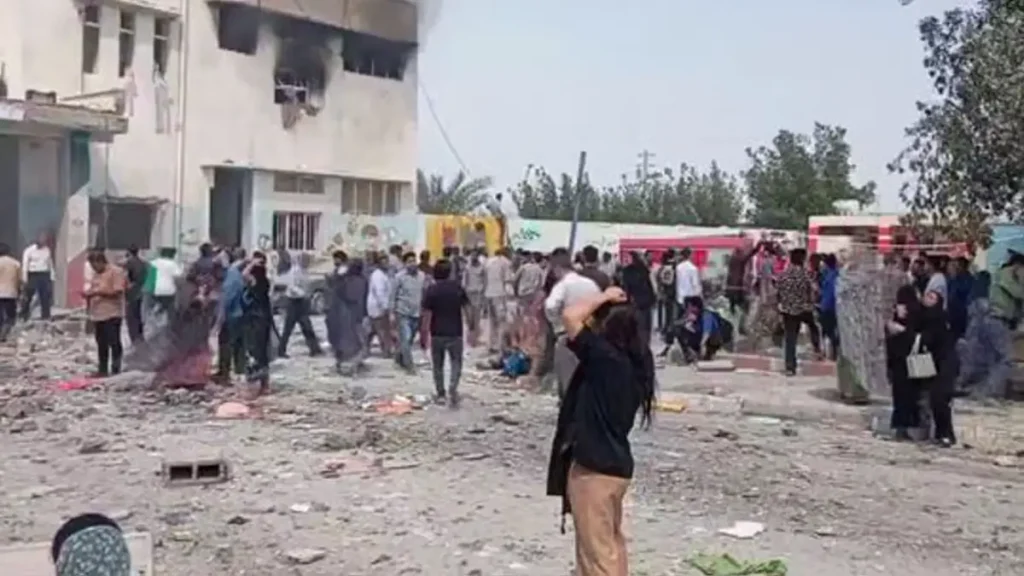
The aftermath of the strike on the Iranian girls’ school was described as chaotic and heartbreaking, as rescue workers searched through the rubble, pulling out injured students and recovering bodies from the “разрушed” building.
According to Iranian state media, at least 53 people, most of them young students, were killed when the school building reportedly collapsed following the explosion. Authorities also said that at least 60 others were injured, with fears that more victims could still be trapped beneath the debris as emergency teams continued searching through the wreckage.
The strike reportedly happened during school hours, when classrooms were full of students. The governor of Hormozgan Province, where Minab is located, stated that the building was a primary school for girls, and that many innocent children were inside when the explosion occurred.
Iran’s foreign minister strongly condemned the strike on the girls’ school in Minab, calling it a deliberate attack on innocent civilians. In a post on X, he shared images of the destroyed building and emphasized that those killed were “innocent children,” warning that the loss of life “will not go unanswered.”
Eyewitnesses described a devastating scene in the hours after the strike. Survivors spoke of children stumbling out of the rubble in tears, calling for help, while frantic families searched desperately for missing loved ones in the thick dust and debris.
Rescue crews continued working through the night, knowing that every passing minute could mean the difference between life and death for those still trapped beneath the ruins.
Civilian Safety Under Scrutiny Amid Military Operations
The strike on the Iranian girls’ school has intensified global attention on the tactics used in the wider conflict. Israeli and U.S. military officials maintain that their operations are aimed at military targets and intended to weaken perceived threats from the Iranian government.
However, the attack on a school full of children has sparked serious questions about how targets are chosen and what measures are in place to protect civilian lives during military campaigns.
The tragic strike on the Iranian girls’ school drew immediate international attention, with human rights organizations and foreign governments demanding independent investigations.
Advocates emphasized that international law prohibits attacks on civilian sites like schools, particularly when children are at risk. Many called for those responsible to be held accountable and urged urgent action to prevent further loss of innocent lives.
The strike on the Iranian girls’ school was just one part of a much broader wave of military operations reported on February 28, 2026, as Israeli and U.S. forces carried out airstrikes across multiple sites in Iran, including key cities and strategic locations.
These coordinated attacks were described by Iranian authorities as part of a large‑scale offensive, and were followed by retaliatory missile and drone strikes launched by Iran against Israel and several U.S. military bases in the region.
Minab: A Tragic Casualty Amid Heightened Tensions
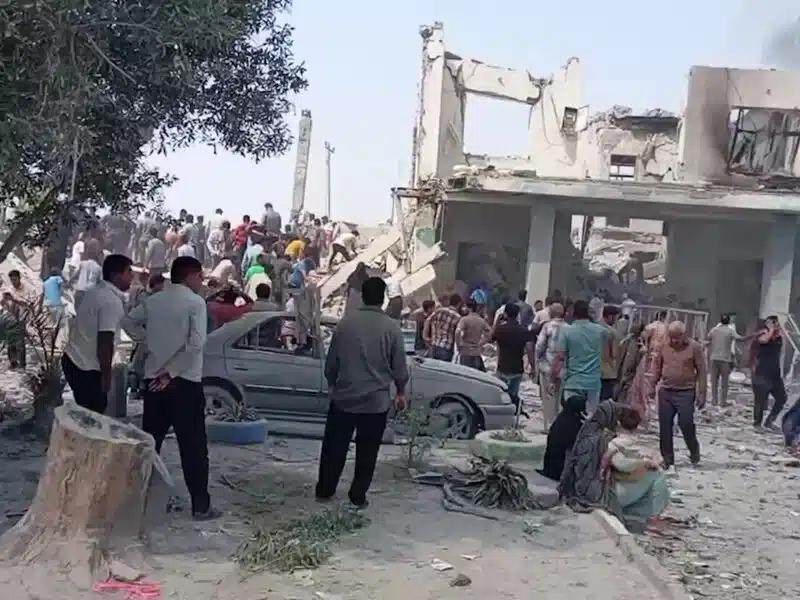
Minab, located in the southern Hormozgan Province near the strategic Strait of Hormuz, is home to key military and naval installations, making it a focal point in any regional conflict. It was in this tense environment that the girls’ school became an unexpected victim of the broader escalation.
Local officials reported that approximately 170 students were inside the school at the time of the strike. While casualty numbers varied in early reports, it is widely agreed that dozens of children lost their lives and many more were severely injured.
The human toll on families in Minab and across Iran has been immense. Parents scrambled to find news of their children, while hospitals struggled to cope with the sudden influx of young patients. Medical staff worked tirelessly around the clock, doing everything possible to stabilize the injured and save lives amid the chaos.
Public Outcry and Global Reactions
In the wake of the strike on the Iranian girls’ school, local communities have organized vigils and protests, mourning the young victims and calling for justice. Many held up photographs of the children, urging world leaders to take action and prevent further loss of innocent life.
The destroyed building is a primary school for girls in the south of Iran. It was bombed in broad daylight, when packed with young pupils.
— Seyed Abbas Araghchi (@araghchi) February 28, 2026
Dozens of innocent children have been murdered at this site alone.
These crimes against the Iranian People will not go unanswered. pic.twitter.com/AVqiuolgWm
Political responses from around the world have been mixed. Some leaders condemned the attack outright, stressing the importance of protecting civilians and respecting international law. Others expressed cautious support for defensive operations while urging all sides to avoid further escalation and pursue diplomatic solutions.
Within Iran, state media emphasized that the strike was an unjustifiable assault on innocent lives. Government officials framed the attack as a violation of human rights and national sovereignty, promising a response that would be both measured and decisive, messages that were broadcast widely across television and digital platforms throughout the country.
nternational organizations focused on education and child protection have condemned the strike on the Iranian girls’ school in the strongest terms. They stressed that schools should be safe havens for learning, places far removed from the violence of conflict and that the destruction of a school and the deaths of children directly violate these principles, demanding global attention and action.
Protecting Children and Schools Amid Conflict
he attack has also reignited concerns about the safety of educational institutions in conflict zones worldwide. Advocates for children’s rights have long argued that schools must be protected at all costs, calling on all parties in conflicts to implement clear safeguards to prevent tragedies like this.
For families and communities in Minab, the consequences are deeply personal. Parents continue to share stories of loss, some traveling to the capital to meet with officials, others posting moving accounts on social media, keeping the memory of the victims alive and pushing for justice. Humanitarian organizations have emphasized the urgent need for aid, including medical care, psychological support, and essential supplies for the affected children and their families.
This tragedy underscores the fragility of diplomatic efforts in the region. While negotiations toward de-escalation continue, the attack highlights how quickly violence can derail talks and endanger civilians. Survivors and their communities will carry the trauma for years, and the memory of those lost may serve as a powerful reminder of the need to protect innocent lives.
As the world watches, the events in Minab remind us that these losses are not just numbers they are human lives, and they call for compassion, accountability, and renewed efforts to ensure that schools remain sanctuaries of safety and learning.
The attack on the Iranian girls’ school highlights the devastating impact of conflict on innocent children. It underscores the urgent need for accountability, civilian protection, and stronger safeguards for schools.