



Sharing a bed provides safety, comfort, and closeness, while also offering health benefits. Sleeping together can help lower stress hormones like cortisol and even reduce inflammation. All in all, it’s a simple way to feel connected while supporting your well-being.
Still, not everyone is perfectly sleep-compatible. Different sleep schedules, snoring, blanket-hogging, and other nighttime habits can make shared sleep tricky. Fortunately, there are ways to compromise and create a comfortable sleeping space for both partners.
It’s always tough to see relationships strained by small issues. That’s why we’ve put together some common bedtime challenges couples face, and how to navigate them.
Blanket Tug-of-War: A Common Bedtime Battle

Some people just aren’t fans of sharing blankets. You start the night feeling balanced, but before you know it, you’re left shivering in a corner while the blanket disappears entirely.
Trying to reclaim it often feels futile, as the tug-of-war usually continues. While this may seem like a funny quirk, constant blanket battles can strain your relationship and take a real toll on the quality of your sleep.
Solution: Opt for a larger bed and separate blankets. This way, each partner has their own space and covers, eliminating the need for nightly tug-of-wars. It also helps to check in with your partner, sometimes they’re grabbing more blankets simply because they’re cold.
Snoring

Picture this: you’re peacefully drifting off, cozy and warm, when suddenly it feels like a train horn blasts next to your ear. Don’t worry, it’s not an emergency. It’s just your partner struggling to breathe through their nose and snoring away.
A single episode of snoring isn’t usually a concern, but when it becomes frequent, it can signal a more serious issue. Chronic snoring not only disturbs your partner’s sleep but can also leave the snorer with headaches, fatigue, and other signs of sleep deprivation.
Short-term solution: Encourage the snorer to sleep on their side or slightly elevate their head, as snoring often worsens on the back. You can also go to bed earlier, use earplugs, or create a little extra space between you for a more restful night.
Long-term solution: Adopting healthy habits, like maintaining a consistent sleep schedule, losing excess weight, and avoiding alcohol, smoking, or certain medications, can reduce snoring. If it persists, consulting a doctor is the best next step.
Different temperature preferences

The ideal sleeping temperature for most people is around 66°F to 69°F (19°C to 20.5°C), though it can vary slightly. Your partner’s preferred “sleeping settings” might differ from yours, and an uncomfortable room temperature can make it harder to fall asleep, stay asleep, and reach deep, restorative sleep.
Solution: Use separate bedding to meet each person’s comfort needs. If one partner sleeps warmer, they can adjust with lighter blankets, while the other can use extra covers or warmer pajamas to stay cozy. This way, both of you can sleep comfortably without compromise.
Nighttime wake-ups
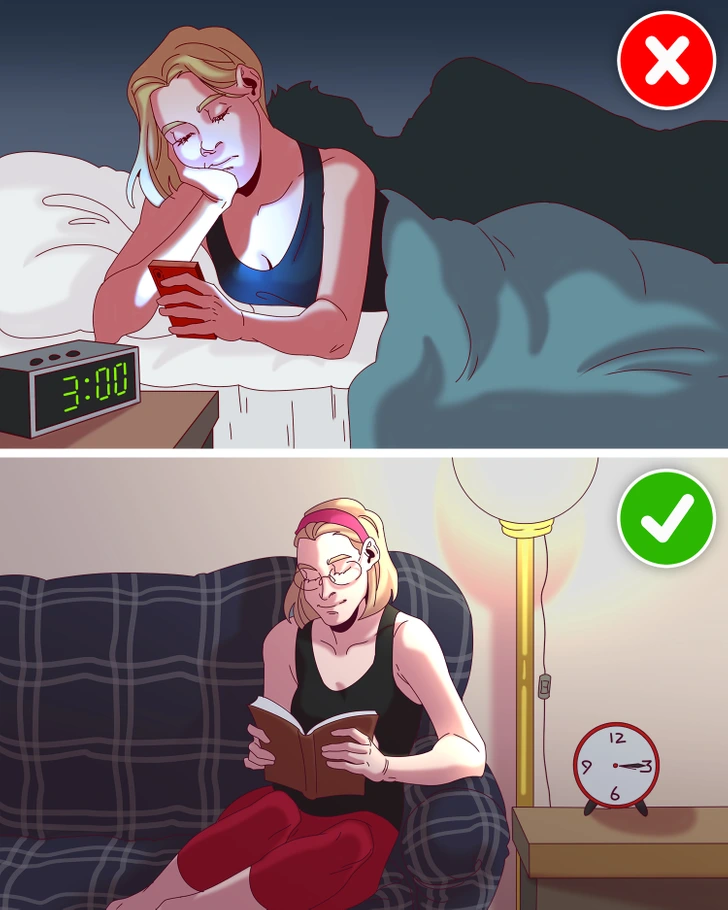
Waking up at night is common and can result from insomnia, stress, screen use, an uncomfortable sleep environment, or an irregular sleep schedule.
If you can’t fall back asleep after 15–20 minutes, lying in bed won’t help. And if it happens often, remember to be considerate of your partner while you handle it.
Short-term solution: If you wake up and can’t sleep, leave the bed and do something calming in another room until you feel drowsy. Avoid activities near your partner, and return to bed only when you’re ready to sleep again.
Long-term solution: Improve sleep hygiene by keeping your bedroom dark, quiet, and well-ventilated. Avoid screens, caffeine, and heavy meals before bed. Establish a relaxing nighttime routine and stick to a consistent bedtime to support better sleep.
Night sweats

You slip into a cool, comfortable bed, and everything feels perfect until hours later, when two bodies heat up the room and night sweats set in. Sharing a single blanket or cuddling while sweating can quickly become uncomfortable, making it hard to relax or sleep well.
Solution: The right sleep environment and bedding can make a big difference. Choose a mattress with cooling properties and use breathable sheets and clothing, such as lightweight linen. If night sweats persist, they may signal an underlying health issue, so consulting a doctor is recommended.
Clashing sleep cycles

This is often called the early bird versus night owl battle. Everyone has a natural ‘chronotype’ that governs their internal sleep clock. Young adults tend to be evening-oriented, while many shift to morning types as they age.
If you and your partner have opposing sleep schedules, it’s important to honor your own chronotype. Evening types who go to bed too early may struggle with insomnia, as forcing sleep can cause anxiety and frustration.
Solution: It’s okay to go to bed at different times. Lighting can help to slightly shift the sleep schedule. Your body starts to produce a “sleep hormone,” known as melatonin, when it’s dark and stops as it gets lighter, telling us it’s time to wake up. So, bright light exposure in the morning and poor light exposure in the evening may help night owls to move their waking hours a bit.
Children in the bed

Sharing a bed with your partner can be challenging enough, but adding a child into the mix can seriously disrupt your sleep. Nighttime awakenings, a child crawling in, and limited space can disturb your rest and create tension in the relationship.
Parents often feel stuck in this cycle, especially if one partner has to compromise their own comfort.
Solution: Gently guide your child back to their own bed and help them learn to fall asleep independently. Consistent co-sleeping can affect a child’s long-term behavior and cognitive development, while also disrupting parents’ sleep. It’s unlikely they’ll outgrow the habit without guidance, so setting boundaries early is key.
Sharing a bed can strengthen intimacy, but challenges like snoring, differing sleep schedules, or night sweats can affect both rest and relationship harmony. Clear communication, compromise, and adjusting the sleep environment help couples maintain quality sleep and a healthy partnership.