

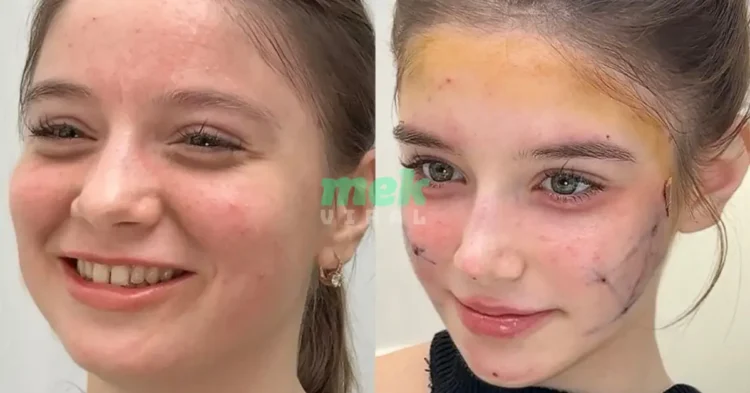
Across social media, a surge of viral posts is putting a spotlight on a controversial beauty trend emerging in China. According to online claims, some women are traveling there for cosmetic procedures that promise dramatic age reversal, with bold marketing suggesting patients could look as young as 13 again.
On MekVIRAL, we take a closer look at what’s really behind the headlines, exploring why this trend is gaining traction, the pressures driving it, and the conversations it’s sparking around beauty standards and extreme anti-aging treatments.
While no major international news outlet has confirmed the existence of a procedure that literally turns someone back into a 13-year-old, cosmetic clinics in cities like Shanghai and Beijing are known for offering intensive facial rejuvenation packages.
Surgeons often describe these treatments as restoring “early adolescent facial proportions” a phrase that has fueled both curiosity and controversy online.
In reality, these makeovers typically involve a combination of procedures rather than a single surgery. Patients may undergo jaw contouring, fat grafting to create softer facial volume, skin-tightening treatments, eyelid reshaping, and collagen-boosting therapies, all designed to create a smoother, fuller, and more youthful appearance.
The Rise of China’s Youth-Driven Beauty Boom
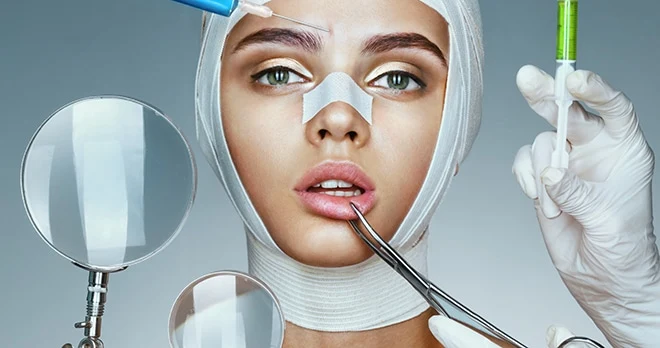
Over the past decade, plastic surgery in China has grown at an extraordinary pace, shaped in large part by social media trends, influencer culture, and increasingly competitive beauty standards.
With flawless selfies and filtered faces setting the bar, more people are turning to cosmetic procedures in hopes of matching the polished images they see online. Today, industry analysts consider China one of the largest cosmetic surgery markets in the world.
Many clinics promote results centered around achieving a “baby face” or what they call a “pure youth” look, phrases that resonate strongly on social platforms but have also sparked ethical conversations within the medical community.
Critics argue that such marketing can blur the line between healthy self-improvement and unrealistic, age-focused beauty ideals, raising important questions about how far the pursuit of youth should go.
Medical experts urge caution when it comes to bold anti-aging claims. Board-certified surgeons stress that while modern procedures can reduce wrinkles, restore lost facial volume, and subtly refine facial contours, turning back the biological clock to a pre-teen appearance simply isn’t medically realistic.
Dermatologists also point out that undergoing multiple invasive treatments at once can significantly increase the risk of complications. Potential side effects may include nerve damage, visible scarring, prolonged swelling, and even long-term changes to the natural structure of the face. For many professionals, the concern isn’t just about appearance, it’s about patient safety and setting realistic expectations.
The Psychological Pressures Behind the Pursuit of Youth
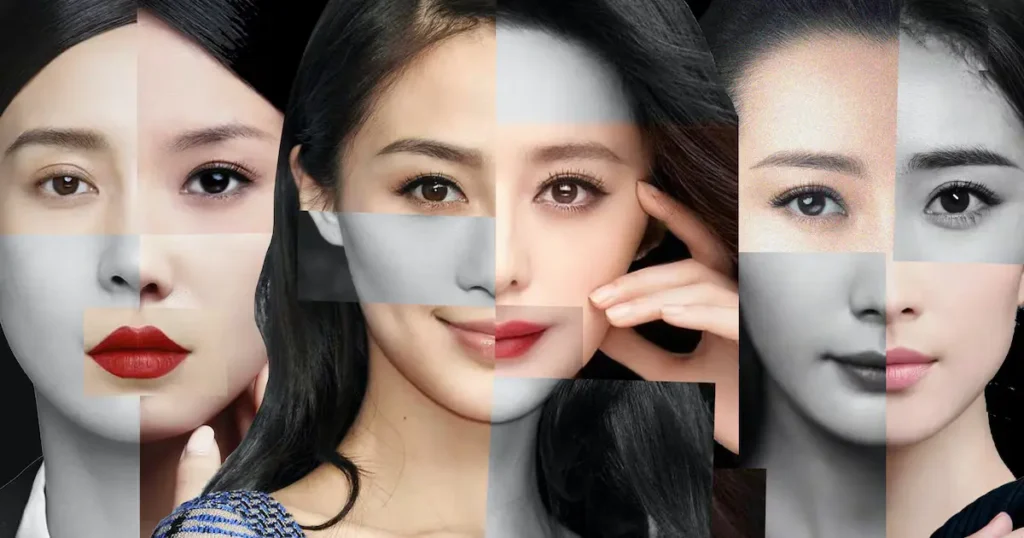
Psychologists say the growing demand for extreme youth-focused procedures may be rooted in deeper social pressures. In a world where filtered selfies and flawless online personas dominate social media, the way people view aging can easily become skewed.
When perfectly edited faces flood digital platforms every day, natural lines, texture, and maturity can start to feel “abnormal”, even though they’re anything but.
Experts warn that this shift in perception is contributing to rising concerns about body dysmorphia. Some younger patients are now considering surgical procedures far earlier than doctors would typically recommend, driven not by medical need but by unrealistic beauty standards.
For mental health professionals, the bigger issue isn’t just about cosmetic trends, it’s about how constant digital comparison may be reshaping self-image and self-worth.
Navigating Safety and Ethics in Extreme Anti-Aging Procedures
In recent years, Chinese health authorities have stepped up regulations on cosmetic clinics, especially those offering services to minors. Despite these measures, adult patients, both local and international continue to seek out advanced procedures marketed as life-changing transformations.
As viral stories about extreme rejuvenation spread online, specialists emphasize the importance of caution. Consumers are urged to fact-check claims, consult board-certified practitioners, and approach bold promises of “turning back the clock” with a healthy dose of skepticism. While cosmetic procedures can enhance appearance, no surgery can realistically recreate childhood features without raising serious medical and ethical concerns.
This ongoing debate over extreme anti-aging treatments reflects a larger global conversation: in the age of advanced cosmetic medicine, how far should we go in the pursuit of eternal youth?
The promise of extreme youth is tempting, but experts stress the importance of balancing desire with reality. Social media and bold marketing can mislead, and no surgery can truly recreate childhood features safely. True beauty lies in informed choices, health, and embracing the natural aging process.