



The ongoing legal case surrounding the killing of Charlie Kirk has taken a dramatic turn, as new court filings suggest that the bullet responsible for his death may not match the rifle allegedly used by the suspect, Tyler Robinson. This revelation has introduced significant uncertainty into a case already marked by political tension, extensive evidence, and high public interest.
As the judicial process unfolds, this development raises critical questions about forensic reliability, the strength of the prosecution’s case, and the broader implications for criminal justice.
Background of the Case
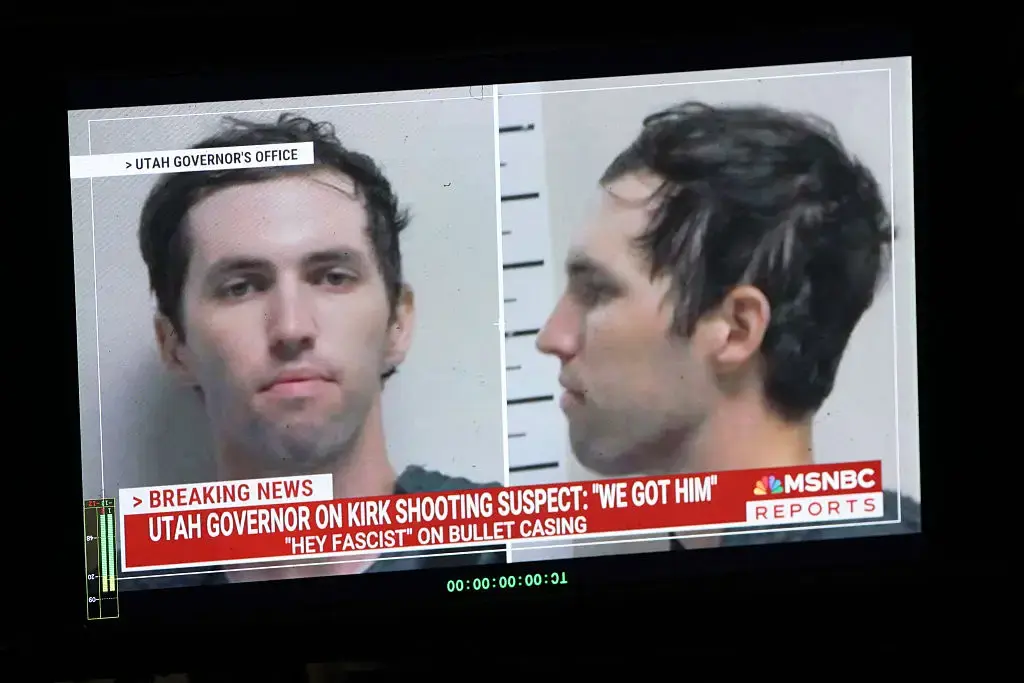
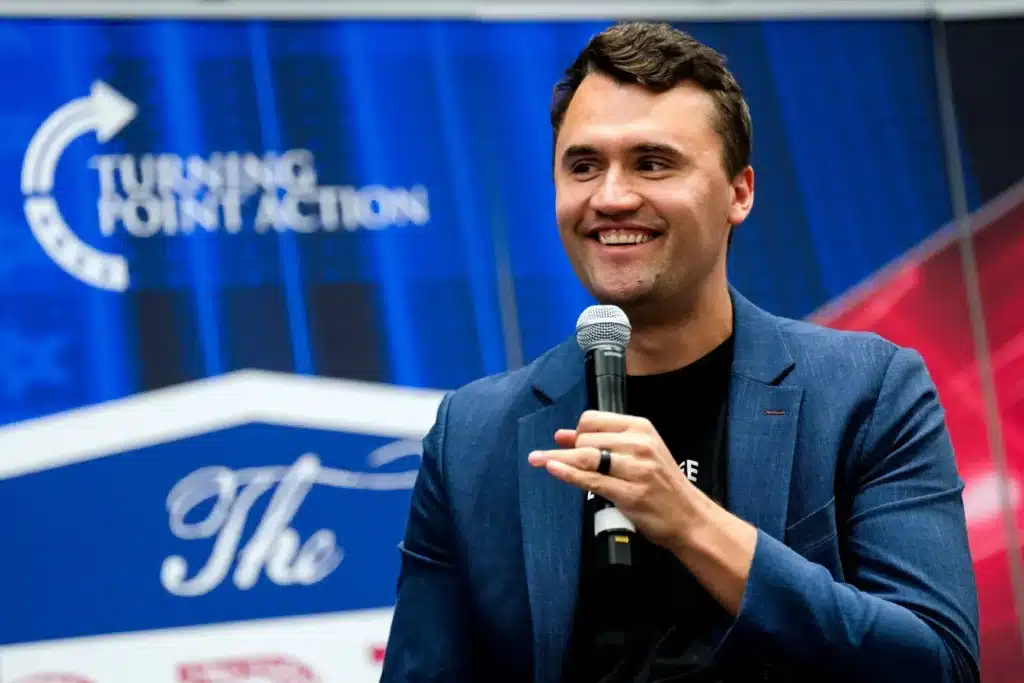
The fatal shooting of Charlie Kirk occurred on September 10, 2025, during a public speaking event at Utah Valley University. Kirk, a prominent political figure, was shot by a single bullet fired from a distance, leading to his death shortly afterward.
Authorities later arrested Tyler Robinson, a 22-year-old suspect, who was charged with aggravated murder and related offenses. Prosecutors have argued that Robinson acted with intent and have even indicated the possibility of pursuing the death penalty.
From the outset, the case has been complex, involving eyewitness accounts, surveillance footage, and forensic analysis. However, recent developments suggest that one of the most crucial pieces of evidence, the bullet itself may not conclusively link Robinson to the crime.
The Ballistics Controversy
At the center of the latest legal debate is the field of forensic ballistics, which examines whether a bullet can be matched to a specific firearm. In this case, the Bureau of Alcohol, Tobacco, Firearms and Explosives (ATF) reportedly could not definitively match the bullet fragment recovered from Kirk’s body to the rifle allegedly connected to Robinson.
Ballistics analysis typically relies on microscopic markings left on a bullet as it travels through a gun barrel. These markings are often described as “fingerprints” unique to each weapon. However, the effectiveness of this method depends heavily on the condition of the bullet. Fragmentation or damage can make conclusive identification extremely difficult.
In this case, the inconclusive findings have opened the door for the defense to argue that the prosecution cannot definitively prove that the fatal shot came from Robinson’s weapon. This claim has been described as a potentially pivotal moment in the trial.
Defense Strategy and Legal Implications
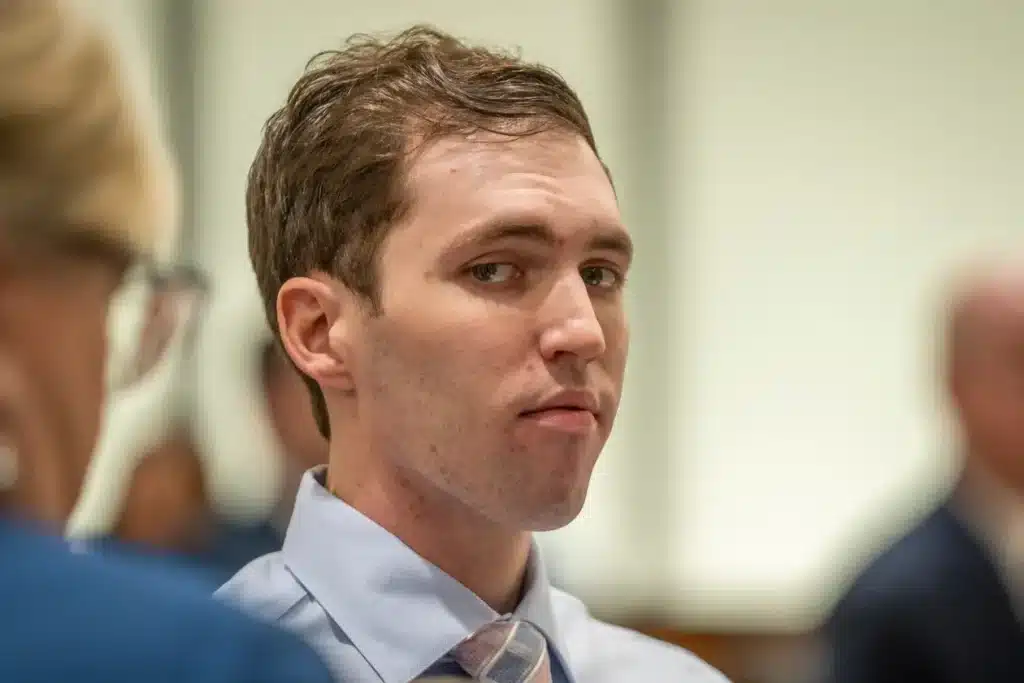
Robinson’s defense team has seized upon the ballistics uncertainty as a cornerstone of their legal strategy. They have requested a delay in the preliminary hearing, arguing that more time is needed to analyze forensic evidence, including DNA samples and additional ballistic testing.
The defense has also pointed out that DNA evidence recovered from the weapon includes contributions from multiple individuals, further complicating the prosecution’s narrative.
From a legal standpoint, this introduces the concept of “reasonable doubt,” a fundamental principle in criminal law. If the defense can successfully argue that the key forensic evidence is inconclusive or unreliable, it may significantly weaken the prosecution’s case.
Moreover, the defense is reportedly reviewing a vast amount of evidence, tens or even hundreds of thousands of files, highlighting the complexity of modern criminal investigations.
Prosecution’s Position and Remaining Evidence
Despite the controversy surrounding the bullet, prosecutors maintain that their case remains strong. They have pointed to other forms of evidence, including alleged text messages in which Robinson reportedly admitted to the killing and described his actions.
This highlights an important reality in criminal trials: a single piece of evidence, even one as critical as a bullet, is rarely the sole determinant of guilt or innocence. Courts often consider the broader evidentiary landscape.
Broader Implications for Justice and Forensics

The developments in this case underscore broader issues within the criminal justice system, particularly regarding the reliability of forensic science. While ballistics has long been considered a valuable investigative tool, cases like this demonstrate its limitations.
In recent years, legal experts and scientific bodies have called for greater scrutiny of forensic methods, emphasizing the need for transparency, standardized procedures, and ongoing validation. The inability to conclusively match a bullet to a weapon in such a high-profile case may fuel further debate on this topic.
Additionally, the case reflects the challenges of handling large-scale digital evidence in modern trials. With thousands of files to review, ensuring fairness and accuracy becomes increasingly complex.
Conclusion
The revelation that the bullet which killed Charlie Kirk may not match the suspect’s rifle represents a significant turning point in an already complex and high-profile case. While it does not automatically exonerate Tyler Robinson, it introduces a level of uncertainty that could have profound implications for the outcome of the trial.
As proceedings continue, the court will need to carefully evaluate both the forensic evidence and the broader context of the case. For observers and legal analysts alike, this situation serves as a powerful reminder of the importance of rigorous evidence standards and the enduring principle of reasonable doubt.
For more in-depth analysis of global events and legal developments, stay connected with MekVIRAL, your trusted source for professional and insightful reporting.