

Your face does more than express how you feel, it can also offer important hints about your overall health. Small changes in your skin, eyes, or facial features might be your body’s way of signaling that something isn’t quite right.
Paying attention to these subtle shifts early on can make a real difference, helping you get a diagnosis and treatment sooner rather than later.
Eyebrow thinning

Eyebrow thinning can occur when hair follicles don’t receive the hormonal support they need to grow properly. When the body produces lower levels of certain hormones, eyebrow hair may gradually become sparse.
One of the most common causes is an underactive thyroid, medically known as Hypothyroidism. Over time, this condition often thins the outer third of the eyebrows, a subtle but important sign that shouldn’t be overlooked.
Skin conditions such as Eczema or Dermatitis can also contribute to eyebrow thinning. These conditions cause ongoing inflammation and irritation, which can disrupt normal hair growth.
When the skin around the eyebrows becomes inflamed, hair follicles may weaken or struggle to produce new strands, resulting in patchy, sparse, or uneven brows over time.
Puffy eyes

Allergies or respiratory infections often cause puffy eyes by triggering swelling and inflammation around the eyes.
Diet can also contribute, as excess salt may cause fluid retention and puffiness around the eyes.
n some cases, persistent puffy eyes may signal a more serious condition like Graves’ disease, caused by an overactive thyroid.
Excess thyroid hormones can cause inflammation and fat buildup around the eyes, resulting in noticeable swelling and puffiness.
If swelling persists, worsens, or comes with other symptoms, consult a healthcare professional for evaluation.
Melasma

Melasma is a skin condition that causes dark patches on the face, usually on the cheeks, forehead, nose, or upper lip.
It affects women more frequently than men, particularly during pregnancy or while taking birth control pills.
Hormonal changes are one of the main triggers, and stress can sometimes make it worse. ortunately, melasma often fades after pregnancy or when hormone treatments stop.
Although Melasma isn’t physically harmful, it can affect self-confidence and how some people feel about their appearance. The condition is manageable, and a dermatologist can recommend treatments tailored to your skin type. With proper care and guidance, the dark patches often lighten or fade over time.
Milia
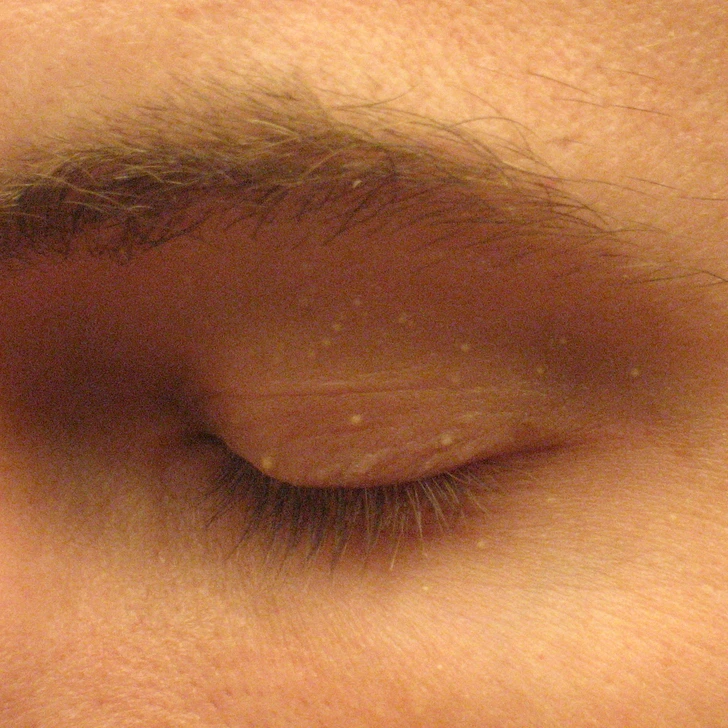
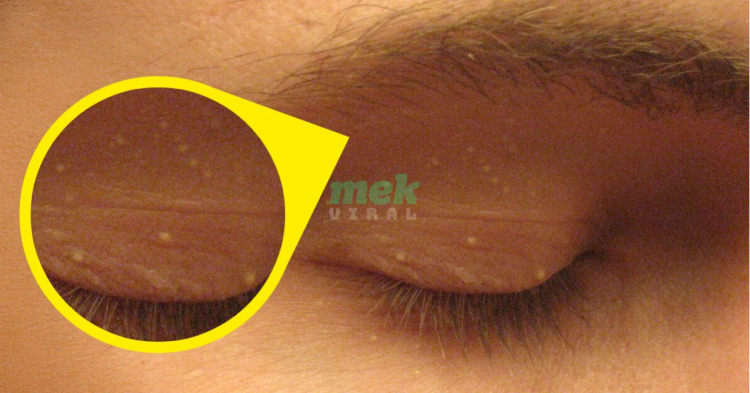
Milia are small, white or yellowish bumps that often appear on the skin, especially around the eyes, cheeks, and forehead. Keratin, a skin protein, forms them when it gets trapped under the surface.
Unlike acne, milia aren’t caused by clogged pores or bacteria. They can develop after skin irritation or from using certain creams, but sometimes, the cause is unclear.
Milia are small, usually harmless white bumps that often disappear on their own, particularly in babies. While they’re generally not a cause for concern, persistent milia or those appearing near the eyes may require a doctor’s attention.
In some cases, a healthcare professional may also check for underlying skin conditions to ensure there’s no deeper issue.
If Milia persist or cause concern, a dermatologist can provide safe treatments to remove them and prevent recurrence.
Your face can reveal subtle signs of your health. Noticing changes like thinning eyebrows, puffy eyes, or dark patches early and consulting a doctor can help address issues before they become serious.